
Bicycle Hubs: The Foundation of a Strong, Reliable Wheel
Bicycle hubs are the anchor point of every wheel. They determine how spokes are tensioned, how loads are transferred, and how reliably a wheel performs under real riding conditions. Whether you’re building a lightweight road wheel, a durable gravel setup, or a high-load touring wheel, hub selection plays a critical role in the final outcome.
At WheelBuildingParts.com, we focus on hubs from a wheelbuilder’s perspective — emphasizing compatibility, geometry, durability, and serviceability over marketing claims.






What Is a Bicycle Hub?
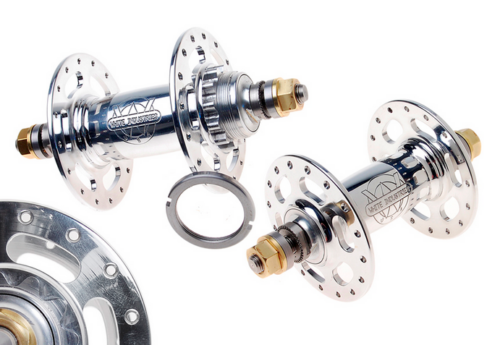
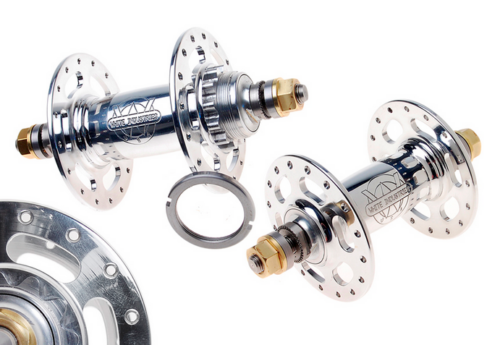
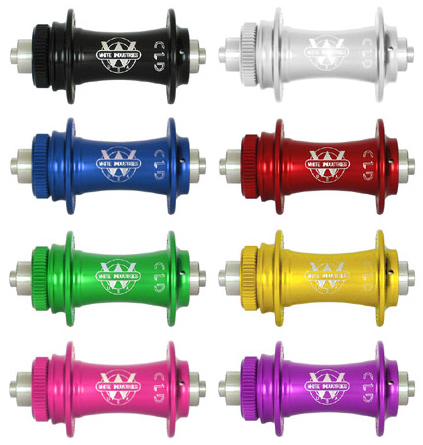
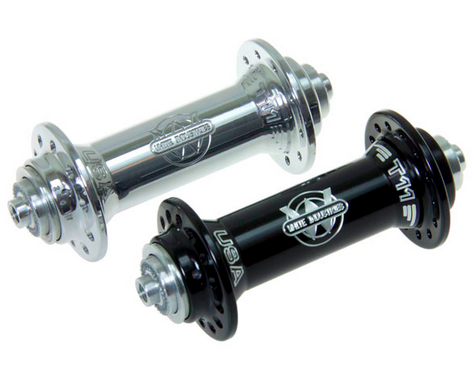
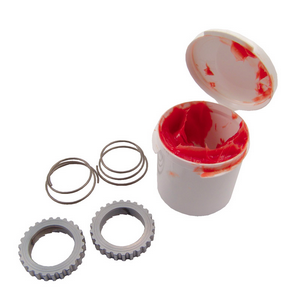
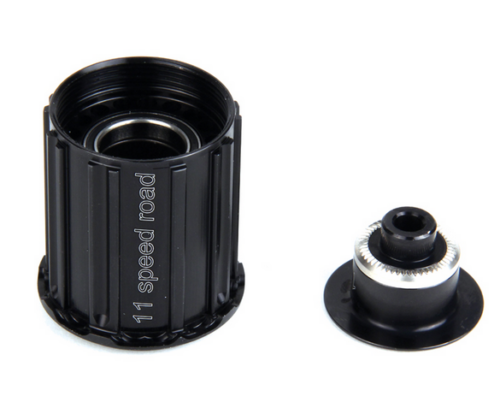
A bicycle hub sits at the center of the wheel and connects the rim to the bike via spokes. It houses the bearings, axle, and (on rear hubs) the freehub mechanism.
Key hub components include:
- Hub shell
- Flanges
- Bearings
- Axle
- Freehub body (rear hubs)
Each of these elements influences how the wheel behaves under load and how long it will last.
Why Hub Geometry Matters in Wheelbuilding
Hub geometry is one of the most overlooked factors in wheel performance.
Flange spacing and flange diameter affect:
- Spoke bracing angles
- Tension balance between drive and non-drive sides
- Lateral stiffness
- Long-term spoke fatigue resistance
Well-designed hubs allow for:
- More even spoke tension
- Better load distribution
- Wheels that stay true longer
This is especially important when building wheels for disc brakes, wide rims, or modern drivetrains.
Front vs Rear Bicycle Hubs
Front Hubs
Front hubs are simpler but still critical. They:
- Handle steering loads
- Support braking forces on disc setups
- Influence lateral stiffness
Spoke count and flange spacing are key considerations for durability and ride feel.
Rear Hubs
Rear hubs must manage:
- Pedaling torque
- Cassette loads
- Dish imbalance
Rear hub design directly affects spoke tension balance, which is why proper hub selection is essential for long-lasting rear wheels.
Bearing Types and Serviceability
Hub bearings affect smoothness, durability, and maintenance requirements.
Common bearing types include:
- Sealed cartridge bearings
- Cup-and-cone bearings
From a wheelbuilding standpoint, what matters most is:
- Bearing quality
- Weather sealing
- Ease of replacement
A hub that’s easy to service often outperforms one that’s theoretically “lighter” over the long run.
Hub Compatibility Considerations
When selecting a bicycle hub, compatibility is just as important as quality.
Important factors include:
- Axle type (quick release, thru-axle)
- Spacing standards
- Brake type (rim vs disc)
- Freehub compatibility
- Spoke count options
Choosing a hub that matches your frame, drivetrain, and intended use prevents compromises later in the build.
How Hubs, Rims, and Spokes Work Together
A strong wheel is a system, not a collection of parts.
Hubs influence:
- Spoke length calculations
- Lacing pattern choices
- Spoke type selection
- Final tension balance
When hubs are properly matched with:
- Appropriate rims
- Correct spoke types
- Accurate spoke lengths
The result is a wheel that performs better and lasts longer.
Choosing the Right Hub for Your Riding Style
Different riding styles place different demands on hubs.
- Road: balance of weight, stiffness, and smooth bearing performance
- Gravel: durability, sealing, and fatigue resistance
- Mountain: impact resistance and reliable engagement
- Touring & Cargo: serviceability and long-term reliability
Selecting hubs based on real-world use leads to better wheels and fewer failures.
Why Wheelbuilders Focus on Hub Quality
Experienced wheelbuilders understand that hub quality affects:
- Build consistency
- Tension stability
- Ease of truing
- Long-term maintenance
A quality hub doesn’t just make a wheel easier to build — it makes it easier to keep running for years.
Explore Wheelbuilding Hubs and Components
WheelBuildingParts.com supports wheelbuilders with components chosen for reliability, compatibility, and performance.
Use this page as a starting point to explore:
- Bicycle hubs
- Wheel spokes
- Rims and nipples
- Custom wheelbuilding components
